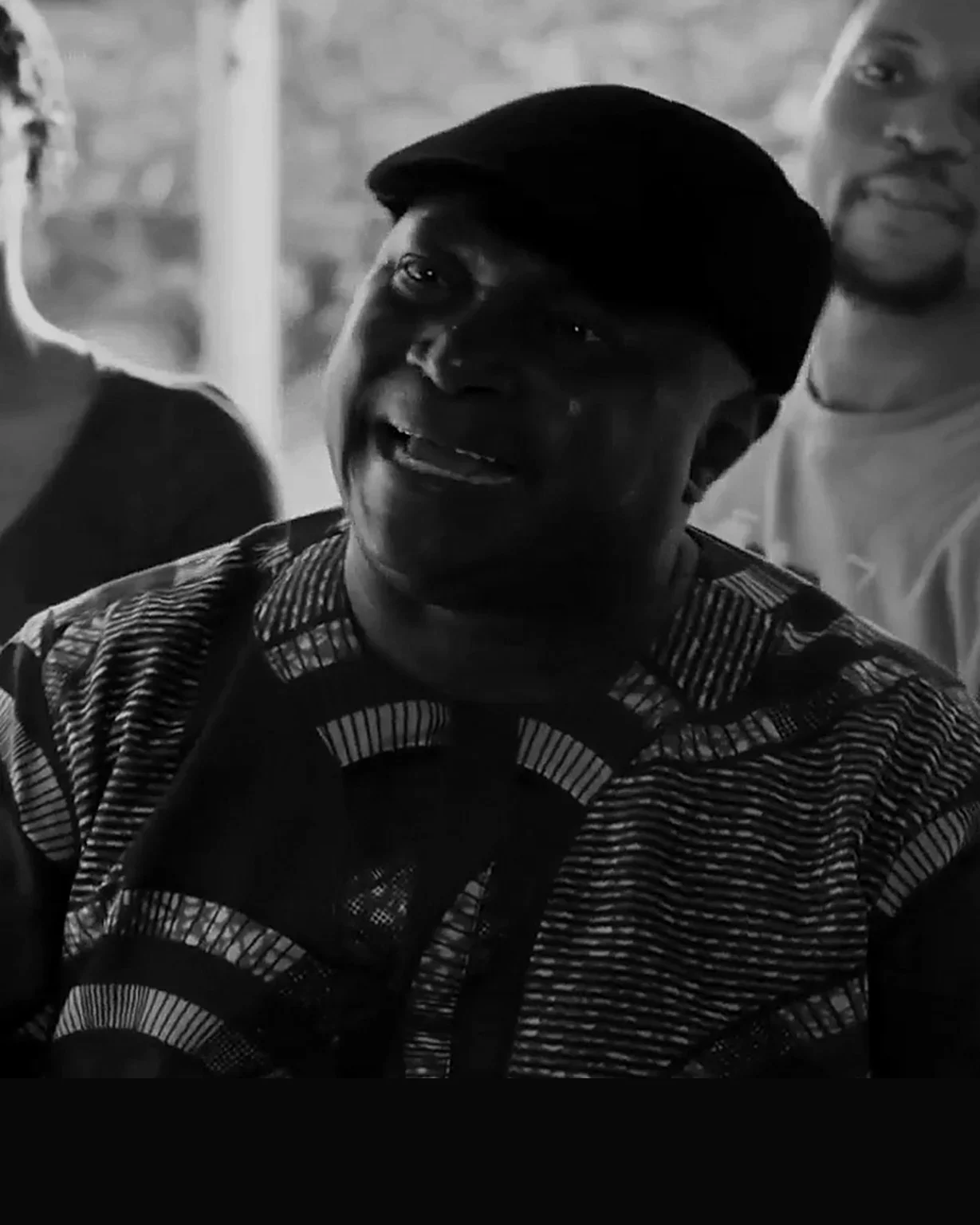
Mary's mother is one of the most emotionally troubling characters in Unclaimed. She is capable of immense affection, devotion and generosity towards a child she took into her home, yet seemingly unable to offer that same warmth and understanding to the daughter she brought into the world.
Her relationship with Dieko presents a painful contradiction. She embraces him as the son she never had, defending him, trusting him and often placing his needs above Mary's. To her, Dieko is more than someone the family took in. He represents a kind of motherhood she believed had been taken away from her.
But behind that affection lies an unresolved bitterness towards Mary.
Following complications during Mary's birth, she was unable to conceive again. She describes the physical suffering she endured and the emotional pain of losing the chance to have more children. Rather than separating those experiences from her daughter's existence, she allows her resentment to become part of how she sees and treats Mary.
That is one of the cruellest forms of parental emotional neglect: making a child feel responsible for suffering they did not cause and had no power to prevent.
Mary never asked to be born. She never chose the circumstances of her delivery, the complications that followed or the sacrifices her mother had to make. Yet she grows up carrying the emotional weight of a loss that happened before she was old enough to understand what loss meant.
Her mother's treatment of Dieko makes that rejection even more painful. Mary watches the affection, patience and unconditional trust she longs for being freely given to someone else. The problem is not that her mother loves Dieko. Taking in and loving a child who has lost his parents is an act of compassion. The tragedy is that she seems to have enough love to embrace him while repeatedly withholding understanding from her own daughter.
This imbalance becomes especially devastating when Mary's marriage begins to fall apart.
As Mary desperately tries to explain Dieko's abusive behaviour, her mother refuses to believe her. The charming, devoted young man she has come to regard as her son seems incapable of the cruelty Mary describes. Instead of questioning whether the person she trusts might have another side, she questions her daughter's honesty and judgment.
When Dieko disappears and Mary becomes a suspect in his supposed murder, her mother's loyalty to him becomes even more pronounced. She is prepared to believe that her own daughter could have killed the man she considers a blessing to the family.
What makes this so heartbreaking is that Mary is not asking her mother to take her side without question. She is asking to be heard, taken seriously and given the same consideration that Dieko receives almost automatically.
Yet her mother's confidence in Dieko seems stronger than her willingness to consider Mary's suffering.
By the time the truth emerges, the damage has already been done. Dieko's deception is exposed, and Mary's innocence becomes undeniable. Eventually, her mother reads his diary and finally accepts what Mary had been telling her all along.
But that raises another painful question: why did it take the words of the person who caused Mary's suffering for her mother to believe the daughter who had been pleading for help?
In the final scene, Mary's mother tries to reconnect with her. Her regret may be genuine, and she may finally understand how deeply she failed her daughter. But Mary refuses to pretend that the truth has repaired everything.
She still loves her mother. What she can no longer offer is the trust that was broken when she needed her most.
The contrast between Mary's parents becomes especially meaningful as she prepares to leave. While her relationship with her mother remains painfully fractured, she shares a goodbye embrace with her father, whose concern for her had been more evident throughout her ordeal.
It is a quiet but powerful reminder that family relationships are shaped not simply by biology or declarations of love, but by the emotional safety people feel within them.