← Back to Film Library
Feeling · Unseen · ✦ New

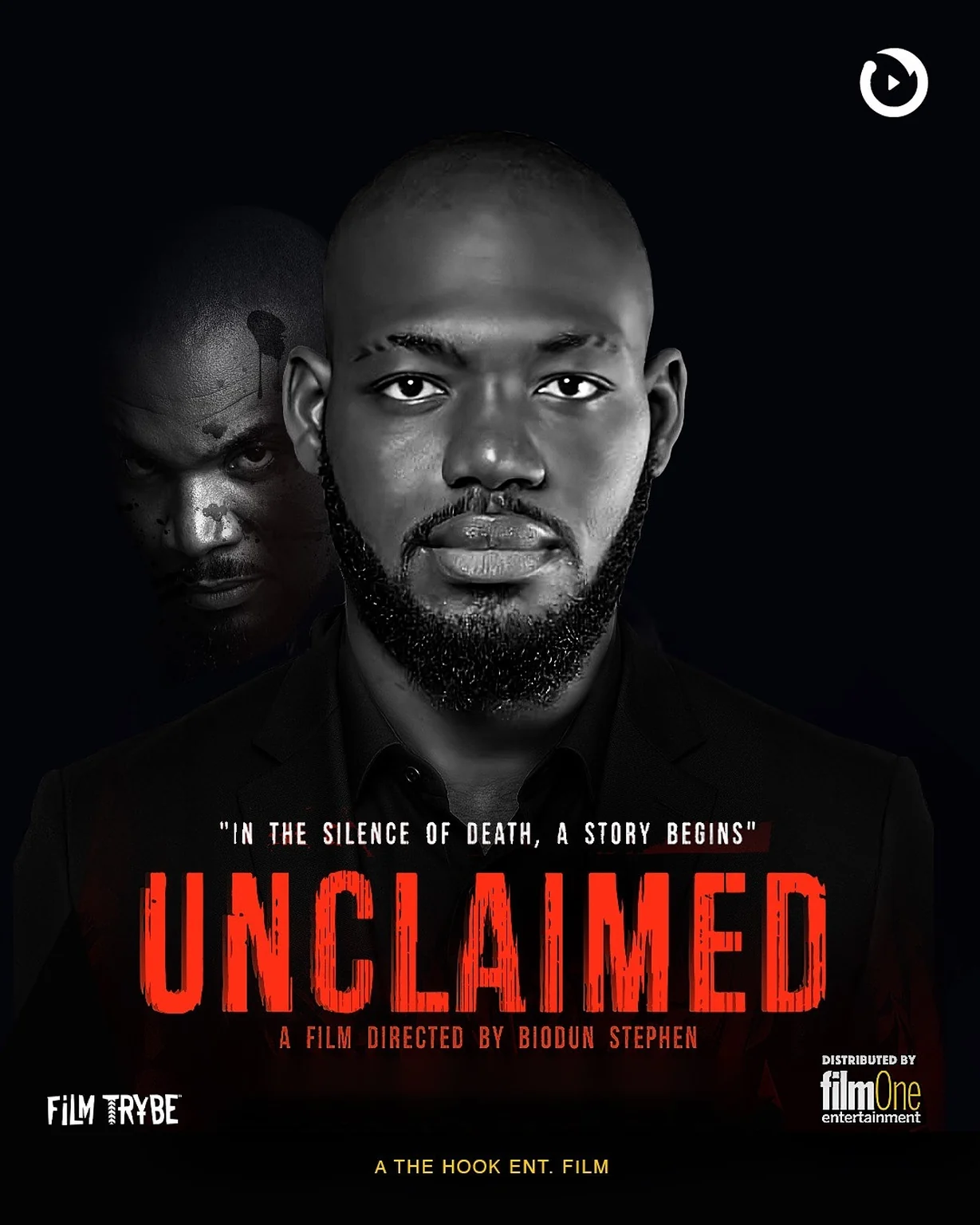
Unclaimed

2025Psychological ThrillerNigeriaDir. Biodun Stephen

Imagine discovering that the person you thought was your safest place had been quietly removing every other option until choosing them felt like your own decision.

In the silence of death, a story begins.

Watch on EbonyLife ON+ ↗

Official viewing option · availability varies by country  ·  ★ 5 · My rating

The Story

What happens when the truth you live with is different from the truth the world believes?

Mary wakes up to blood on the floor, a knife in her hand and her husband nowhere to be found. With no memory of the night before, she must piece together what happened while the evidence against her keeps growing.

Was she framed, or did she bring about her own downfall?

“She survived him, but the silence of the people who should have protected her left wounds of its own.”

Thematic Notes

  • Emotional Abuse & ControlCruelty that never needs to raise a hand: criticism, humiliation and doubt, until his voice becomes the one she hears in her own head.
  • Deception & Public ImageThe man everyone admires and the man she lives with are two entirely different people.
  • Judgment & BiasA detective, a mother and a friend who decided the truth before they truly listened.
  • Trauma & SurvivalSurviving him was only the beginning. Surviving the silence of those who doubted her was harder.
  • The Weight of the PastAn unfinished adoption and a difficult birth: old wounds no one healed become the weapons of the present.

✦ The story above is spoiler-light. The character chapters below tell the whole story, twists included. If you haven't watched yet, you may want to watch it first.

Meet the characters

Each one holds a piece of the truth

Tap a character to open their chapter.
✦ Character chapters contain spoilers.

The principal characters
The people around them
Mary · Elma Mbadiwe
Chapter I · 2 min read Contains spoilers

MaryThe Strength to Walk Away

Portrayed by Elma Mbadiwe

“The hardest part wasn't discovering the truth. It was discovering how many people needed proof before they could believe her.”
SentimentalistThinker · Observe · Think · Feel

Mary is a strong-willed, straightforward woman whose greatest mistake was trusting someone she believed would never hurt her. After a series of failed relationships, she marries Dieko, the man her mother has always favoured, unaware that the person she considers her safest place has been quietly manipulating her life.

What follows is a disturbing journey of psychological and emotional abuse. Dieko's cruelty rarely begins with physical violence. Instead, it comes disguised as criticism, humiliation and subtle attacks on her confidence. From telling her she smells unpleasant to questioning how she dresses, he gradually makes a woman who once trusted her own judgment begin to doubt herself. That is one of the most frightening aspects of emotional abuse: someone else's repeated accusations slowly become the voice you hear in your own head.

But Mary's greatest heartbreak isn't simply discovering who her husband really is. It's realising how little faith the people closest to her have in her. When she desperately tries to expose Dieko, she meets suspicion rather than support, even from her own parents. Her mother's disbelief is especially painful, because Mary had spent her life seeking an understanding and acceptance that should never have been conditional.

When the truth finally emerges, Mary refuses to pretend that everything can return to normal. She doesn't accept the detective's apology simply because the investigation has finally vindicated her, and she doesn't let her mother's belated belief erase the damage of years of emotional neglect and betrayal. Their regret may be genuine, but Mary understands that an apology cannot undo the consequences of failing someone when they needed protection the most.

Her decision to leave is her most powerful moment. She doesn't walk away because she has stopped loving her family, but because she has finally accepted that love without trust, understanding and emotional safety is no longer enough.

You can love people, understand their regrets, and still choose a life where your peace no longer depends on their approval. 🥀
Dieko · Kunle Remi
Chapter II · 3 min read Contains spoilers

DiekoThe Monster Behind the Perfect Image

Portrayed by Kunle Remi

“He wanted a place in the family so desperately that he destroyed the person who had already made him part of it.”
SentimentalistThinker · Observe · Think · Feel

Dieko is the kind of character who makes you question how well we truly know the people closest to us. Intelligent, calculating, charming and seemingly affectionate, he presents himself as the ideal husband, devoted son and respected colleague. Yet behind that carefully maintained image lies a deeply resentful man whose desire to belong has gradually turned into an obsession with control.

His childhood raises some uncomfortable questions. After losing his parents, and with no relatives willing to care for him, Dieko is taken in by the Abioyes, who raise him alongside their daughter, Mary. Although they treat him with affection and often favour him over their own child, they never formally adopt him or give him their family name. To Dieko, that distinction becomes a painful reminder that, despite everything they have done for him, he still doesn't fully belong.

But was his resentment entirely the result of feeling excluded, or were deeper behavioural difficulties already developing in childhood? His early life leaves room for interpretation. What becomes increasingly clear, however, is that Dieko allows his feelings of rejection and jealousy to shape the way he treats others, particularly Mary.

Rather than confronting those feelings, he quietly builds a plan to secure his place in the family. By secretly interfering with Mary's romantic relationships, he makes sure none of them lasts, eventually positioning himself as the person she believes she can trust most. What Mary sees as loyalty and unconditional affection is, in reality, a carefully calculated effort to make himself indispensable.

That is what makes Dieko so disturbing. His manipulation doesn't begin after the marriage. It begins long before Mary even realises she is being manipulated.

Once they marry, the charming man everyone admires reveals a very different side behind closed doors. His cruelty is often psychological rather than physical, expressed through humiliating remarks, criticism, intimidation and repeated attempts to undermine Mary's confidence. He makes her question her appearance, her judgment and, eventually, her grasp of reality.

Meanwhile, he carefully protects his public reputation. To Mary's parents, he remains the loving son they have always cherished. To colleagues and outsiders, he is a respectable, caring man. His ability to switch between these identities makes Mary's accusations seem almost unbelievable to those who have only seen his pleasant side.

It is a disturbing reminder that someone's public reputation does not necessarily reveal how they behave when no one else is watching.

Dieko's intelligence becomes especially frightening when his lies begin to unravel. Rather than accepting responsibility, he keeps inventing new explanations, manipulating circumstances and trying to stay ahead of anyone who might expose him. Each time one version of events collapses, another is ready to replace it.

His most revealing moment comes when he admits that hurting Mary gradually became something he enjoyed. At that point, his behaviour can no longer be understood simply as the desperate actions of someone afraid of losing his family. His resentment has become deliberate cruelty, and his need to belong has become inseparable from his desire to control and punish.

His downfall exposes the contradiction at the centre of his character: a man so desperate to secure his place in a family that he is willing to destroy the very person who connects him to it.

Jealousy didn't make him a victim. It made him dangerous. Feeling unloved may explain his pain, but it never excuses what he chose to do with it. 🥀
The Detective · Teniola Aladese
Chapter III · 3 min read Contains spoilers

The DetectiveWhen Personal Trauma Becomes Professional Bias

Portrayed by Teniola Aladese

“She came looking for the truth, but she had already decided whose pain it would resemble.”
SentimentalistThinker · Observe · Think · Feel

The detective represents one of the most uncomfortable realities in Unclaimed: sometimes, the very people entrusted with protecting others are so influenced by their own experiences that they fail to recognise the truth unfolding before them.

Behind her stern attitude and apparent determination to secure justice lies a deeply personal tragedy. She lost her brother to domestic violence after his wife set him on fire. It is a devastating experience, one that understandably left her with grief, anger and an unresolved need to see justice served.

But the problem begins when she allows that tragedy to shape her understanding of Mary and Dieko's case.

Rather than approaching the investigation with an open mind, she appears to see Mary through the lens of her brother's experience. Dieko becomes the presumed victim, while Mary is treated as someone whose explanations cannot be trusted. Her questioning is harsh, her conclusions seem increasingly predetermined, and her determination to see Mary punished begins to overshadow her responsibility to establish what actually happened.

What makes her behaviour especially troubling is that she is not simply an ordinary person expressing an opinion. She is a law enforcement officer whose decisions can determine whether someone loses their freedom for a crime they did not commit.

Her personal suffering may explain why the case affected her so deeply, but it cannot justify allowing assumptions to take the place of evidence.

There is a painful irony in her character. After seeing the devastation of domestic violence within her own family, she should understand the importance of taking allegations seriously and investigating them carefully. Yet her experience seems to make her more suspicious of Mary, rather than more open to the possibility that the situation is not what it seems.

That is one of the film's most important observations: experiencing injustice does not automatically make someone immune to committing injustice against others.

As the investigation unfolds, the detective remains convinced of Mary's guilt. But the truth eventually emerges in a way she could never have anticipated. Dieko, the man believed to be dead, is discovered alive, and the violent confrontation at the family's old house exposes the deception surrounding his disappearance.

The revelation forces the detective to confront not only the facts of the case but also the consequences of her own judgment.

By the time she visits Mary to apologise, the damage has already been done. Mary has endured suspicion, humiliation, fear and the possibility of imprisonment for something she did not do. Worse still, the caretaker has lost his life in the events that followed.

Mary refuses the apology, not because she cannot see the detective's regret, but because she understands that an apology cannot reverse the consequences of a failure that should never have happened.

Still, the detective's willingness to admit her mistake is an important part of her character. She does not keep defending her earlier conclusions once the truth becomes undeniable. She recognises that her judgment was compromised and takes responsibility, even though Mary is under no obligation to forgive her.

Justice should never depend on whose pain feels more familiar to the person investigating it. Sometimes, the greatest injustice begins when we stop looking for the truth because we believe we have already found it. 🥀
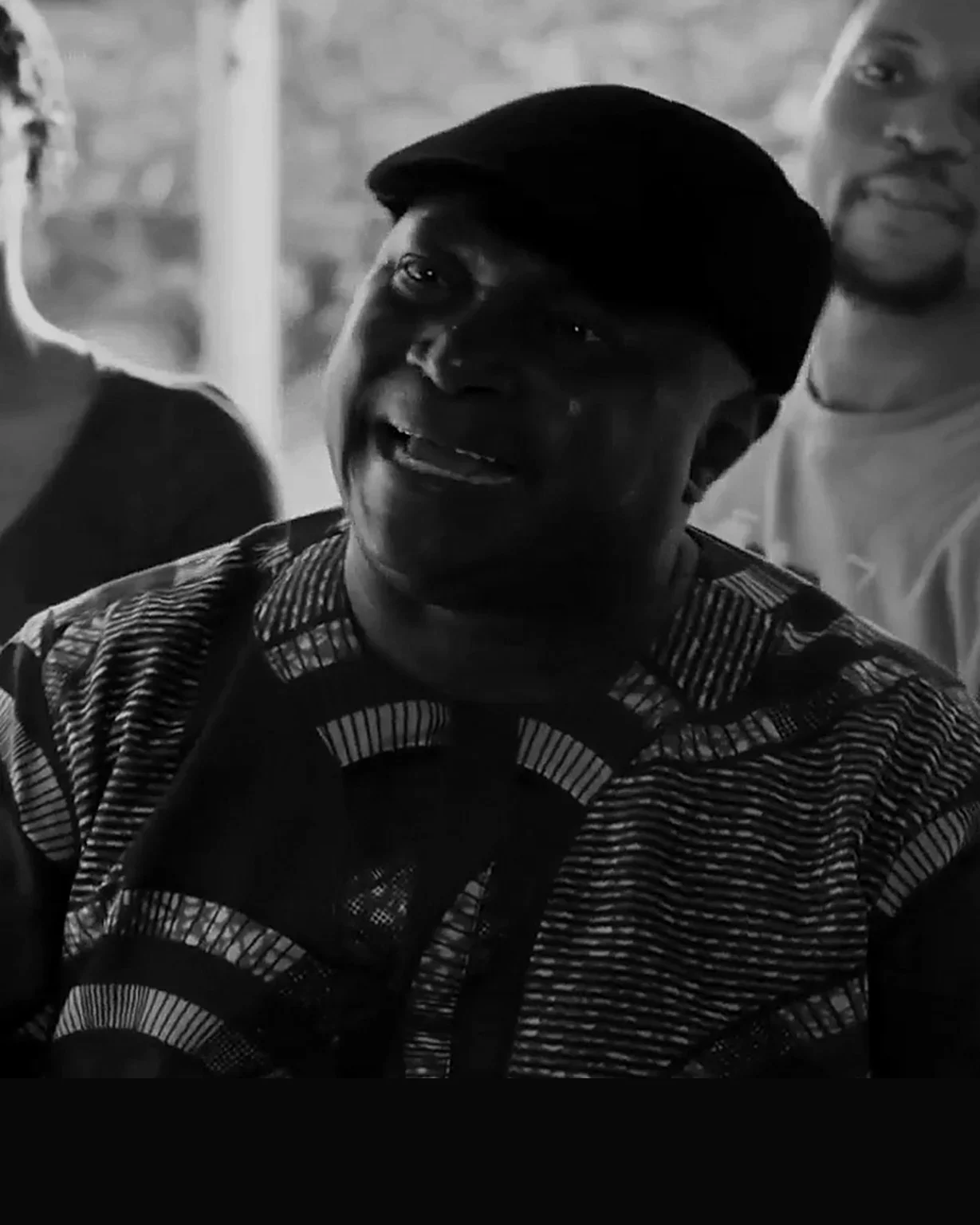
Mary's Mother · Jaiye Kuti
Chapter IV · 4 min read Contains spoilers

Mary's MotherWhen a Mother's Pain Becomes a Daughter's Burden

Portrayed by Jaiye Kuti

“She had enough love to embrace a stranger's son, yet not enough patience to believe her own daughter.”
SentimentalistThinker · Observe · Think · Feel

Mary's mother is one of the most emotionally troubling characters in Unclaimed. She is capable of immense affection, devotion and generosity towards a child she took into her home, yet seemingly unable to offer that same warmth and understanding to the daughter she brought into the world.

Her relationship with Dieko presents a painful contradiction. She embraces him as the son she never had, defending him, trusting him and often placing his needs above Mary's. To her, Dieko is more than someone the family took in. He represents a kind of motherhood she believed had been taken away from her.

But behind that affection lies an unresolved bitterness towards Mary.

Following complications during Mary's birth, she was unable to conceive again. She describes the physical suffering she endured and the emotional pain of losing the chance to have more children. Rather than separating those experiences from her daughter's existence, she allows her resentment to become part of how she sees and treats Mary.

That is one of the cruellest forms of parental emotional neglect: making a child feel responsible for suffering they did not cause and had no power to prevent.

Mary never asked to be born. She never chose the circumstances of her delivery, the complications that followed or the sacrifices her mother had to make. Yet she grows up carrying the emotional weight of a loss that happened before she was old enough to understand what loss meant.

Her mother's treatment of Dieko makes that rejection even more painful. Mary watches the affection, patience and unconditional trust she longs for being freely given to someone else. The problem is not that her mother loves Dieko. Taking in and loving a child who has lost his parents is an act of compassion. The tragedy is that she seems to have enough love to embrace him while repeatedly withholding understanding from her own daughter.

This imbalance becomes especially devastating when Mary's marriage begins to fall apart.

As Mary desperately tries to explain Dieko's abusive behaviour, her mother refuses to believe her. The charming, devoted young man she has come to regard as her son seems incapable of the cruelty Mary describes. Instead of questioning whether the person she trusts might have another side, she questions her daughter's honesty and judgment.

When Dieko disappears and Mary becomes a suspect in his supposed murder, her mother's loyalty to him becomes even more pronounced. She is prepared to believe that her own daughter could have killed the man she considers a blessing to the family.

What makes this so heartbreaking is that Mary is not asking her mother to take her side without question. She is asking to be heard, taken seriously and given the same consideration that Dieko receives almost automatically.

Yet her mother's confidence in Dieko seems stronger than her willingness to consider Mary's suffering.

By the time the truth emerges, the damage has already been done. Dieko's deception is exposed, and Mary's innocence becomes undeniable. Eventually, her mother reads his diary and finally accepts what Mary had been telling her all along.

But that raises another painful question: why did it take the words of the person who caused Mary's suffering for her mother to believe the daughter who had been pleading for help?

In the final scene, Mary's mother tries to reconnect with her. Her regret may be genuine, and she may finally understand how deeply she failed her daughter. But Mary refuses to pretend that the truth has repaired everything.

She still loves her mother. What she can no longer offer is the trust that was broken when she needed her most.

The contrast between Mary's parents becomes especially meaningful as she prepares to leave. While her relationship with her mother remains painfully fractured, she shares a goodbye embrace with her father, whose concern for her had been more evident throughout her ordeal.

It is a quiet but powerful reminder that family relationships are shaped not simply by biology or declarations of love, but by the emotional safety people feel within them.

Sometimes, the deepest wounds aren't inflicted by strangers or enemies, but by the people whose love we believed would never have to be earned. Perhaps one of the hardest things a child can learn is that loving a parent does not always mean being able to depend on them. 🥀
Baba Kekere · John Ukpe
Chapter V · 2 min read Contains spoilers

Baba KekereThe Innocent Life Caught in Someone Else's Cruelty

Portrayed by John Ukpe

“He was never part of their story, yet he paid its greatest price.”
SentimentalistThinker · Observe · Think · Feel

Baba Kekere, the family's caretaker, is one of the most heartbreaking characters in Unclaimed, not because of how much time he spends on screen, but because of how tragically his story ends.

He is an ordinary man going about his responsibilities, unaware that the family home has become the setting for something far more dangerous than he could have imagined. When he realises Mary is in trouble, he tries to help her, only to become another victim of Dieko's violence.

During the confrontation, Dieko pushes him, causing a fatal fall. In a matter of moments, a man who simply wanted to protect someone else loses his life in a conflict that was never his to begin with.

That is what makes his death so painful. Baba Kekere wasn't seeking revenge, trying to expose anyone or fighting for something that belonged to him. He was simply trying to do the right thing.

But the most devastating moment comes when his children arrive and find their father lying lifeless in a pool of blood.

For them, this isn't merely another tragedy in Mary and Dieko's troubled marriage. It is the loss of their father, a man with a life, responsibilities and people waiting for him to come home.

His death also becomes part of the chain of events that leads to Dieko's exposure. Yet there is something deeply unsettling about the fact that another innocent person had to lose his life before the truth could finally become undeniable.

Baba Kekere's story reminds us that the consequences of abuse and violence rarely stay confined to the people directly involved. Sometimes, innocent bystanders and their families end up carrying the heaviest burdens.

Sometimes, the most heartbreaking victims are the ones who were never part of the story's conflict, yet end up paying its greatest price. 🥀
More characters

The People Around ThemFriends, a lawyer and a father

More characters · 1 Contains spoilers

Dieko's Friend

Portrayed by Yemi Cregx

Dieko's friend represents the people who knew only the charming side of a man whose private behaviour told a very different story.

To him, Dieko and Mary were a happy couple. The only trouble Dieko ever mentioned was a quarrel, and even that came with a convenient explanation: Dieko claimed he had caught Mary cheating. It was another lie, carefully planted to protect his cover story and turn Mary into the guilty party long before anyone thought to question him.

His character highlights one of the most unsettling realities of emotional abuse: someone can be admired, respected and considered a good friend by those around them, while causing tremendous suffering to the person closest to them. Sometimes, the people who believe the lie the most sincerely become the ones who help it travel the furthest.

SentimentalistThinker's Observation 🥀
Sometimes, the person everyone knows and the person someone lives with are two entirely different people. A good reputation doesn't always reveal a person's true character. 🥀
More characters · 2 Contains spoilers

Mary's FriendWhen Concern Is Clouded by Doubt

Portrayed by Omowunmi Dada

Mary's friend represents another uncomfortable reality in Unclaimed: sometimes, even the people who know we are suffering struggle to believe the full extent of what we are going through.

Unlike those who know only Dieko's charming public personality, she senses that something is wrong in Mary's marriage. When Mary calls her at work to ask whether she smells unpleasant, a question planted by Dieko's constant criticism, her friend is concerned enough to visit her at home. But by then, Dieko has already warned Mary against discussing their private issues with "third parties", and Mary is too frightened to say more. The chance to speak openly slips away.

Later, after Mary is released on bail, she tries to show her friend the evidence of what she has been enduring, only to find that it has all disappeared. Dieko has deleted every trace. Without proof, Mary's account begins to sound less like the truth and more like the story of a woman trying to explain away her guilt.

One especially revealing moment comes when Mary calls her after a terrifying dream in which Dieko is suffocating her. The dream feels so real that Mary is deeply shaken. Rather than simply recognising her friend's fear, she brings up her belief that the dead can haunt those responsible for killing them, quietly suggesting that Mary may have had a hand in Dieko's disappearance.

Her reaction shows how easily personal beliefs and assumptions can shape the way we interpret someone else's distress, especially when the truth remains uncertain. It also shows how effectively Dieko isolated Mary: silencing her when someone was willing to listen, and erasing the evidence when she finally found the courage to speak.

Yet her character raises a difficult question: how much evidence should someone need before taking a friend's fear seriously?

Believing someone is frightened does not require accepting every explanation they offer. Sometimes, the most meaningful support begins with listening, showing concern and helping them find safety, even when we don't fully understand what is happening.

Sometimes, people don't need us to have all the answers. They simply need to know that their fear matters, even when we cannot yet explain it. 🥀
More characters · 3 Contains spoilers

Mary's LawyerWhen Duty Comes Before Personal Belief

Portrayed by Michael O. Ejoor

Mary's lawyer represents an important distinction in Unclaimed: defending someone does not necessarily mean knowing whether everything they say is true.

While Mary struggles to convince the people around her of her innocence, her lawyer focuses on the task entrusted to him: representing her interests and doing everything he can to keep her out of prison.

His role highlights a key part of legal representation. A lawyer's duty is not to decide guilt or innocence based on personal feelings, but to make sure the client's rights are protected and the case is handled fairly.

In a story where so many people let their emotions, assumptions and personal loyalties cloud their judgment, his character offers a different perspective: sometimes, doing your job means focusing on your professional obligations rather than letting personal opinions guide your actions.

And when someone's freedom is at stake, professional duty can matter just as much as personal belief. 🥀
More characters · 4

Dieko's Father

Portrayed by Timini Egbuson

His loss marks the beginning of the childhood that shaped Dieko.

Epilogue

Behind the Silence

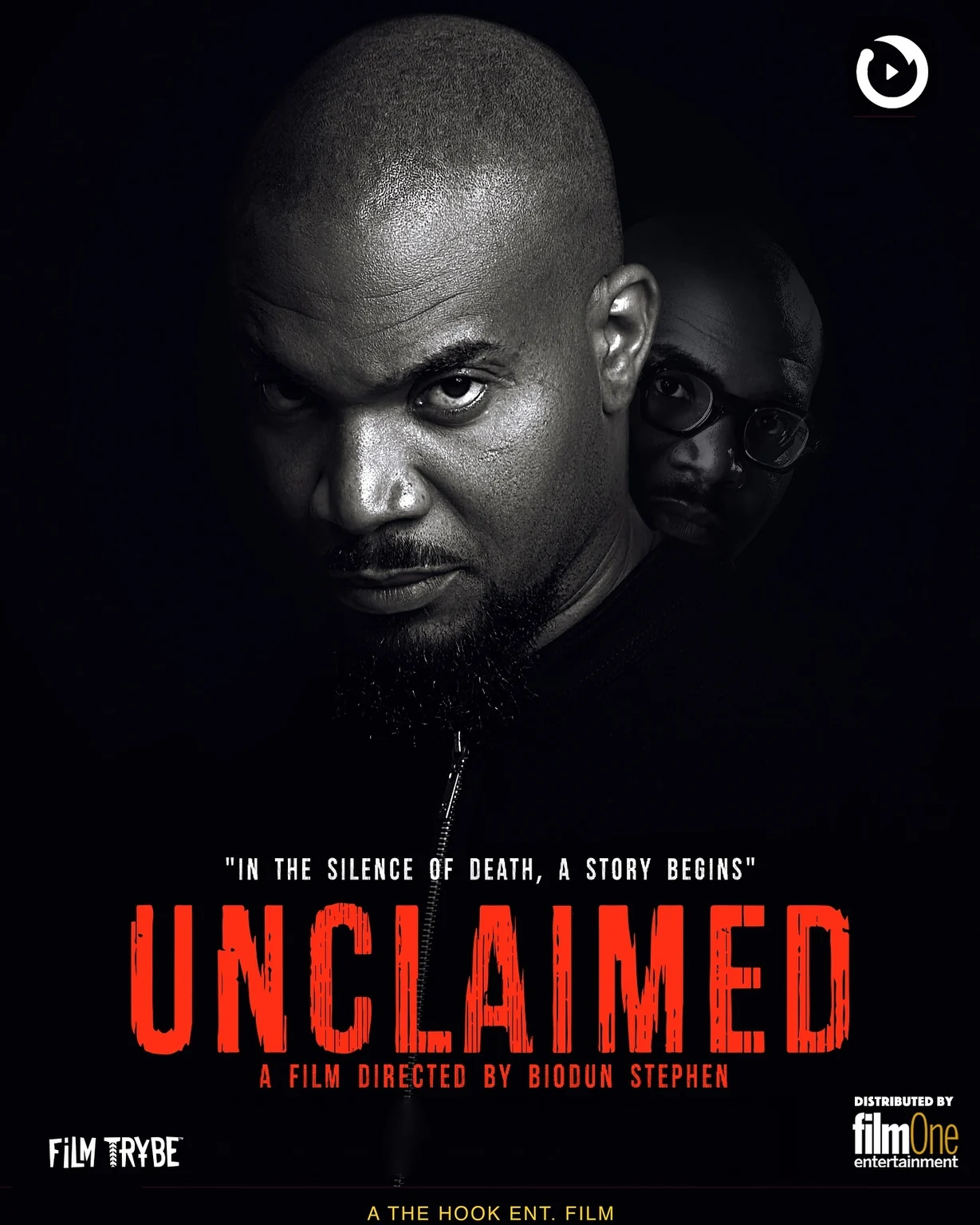
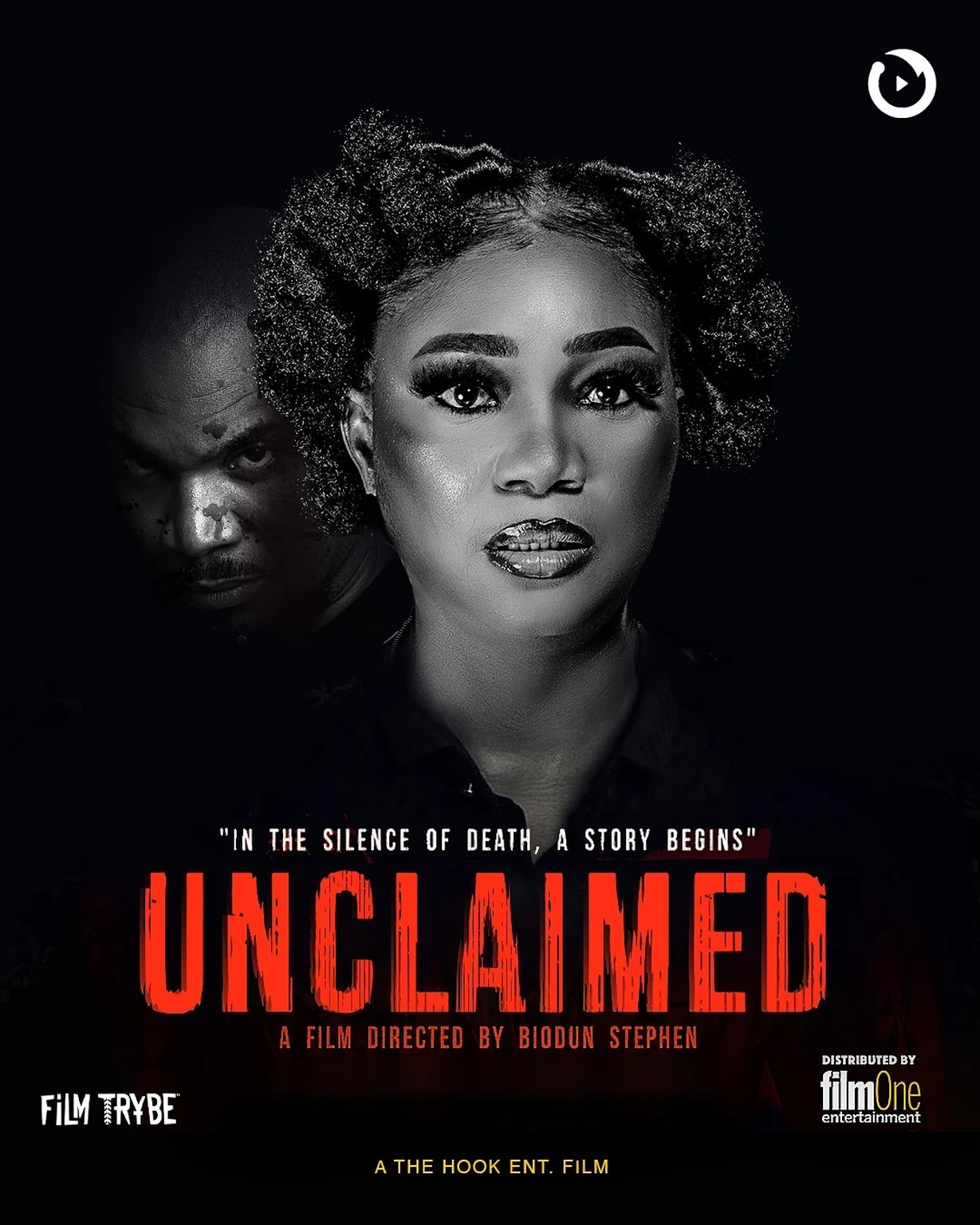
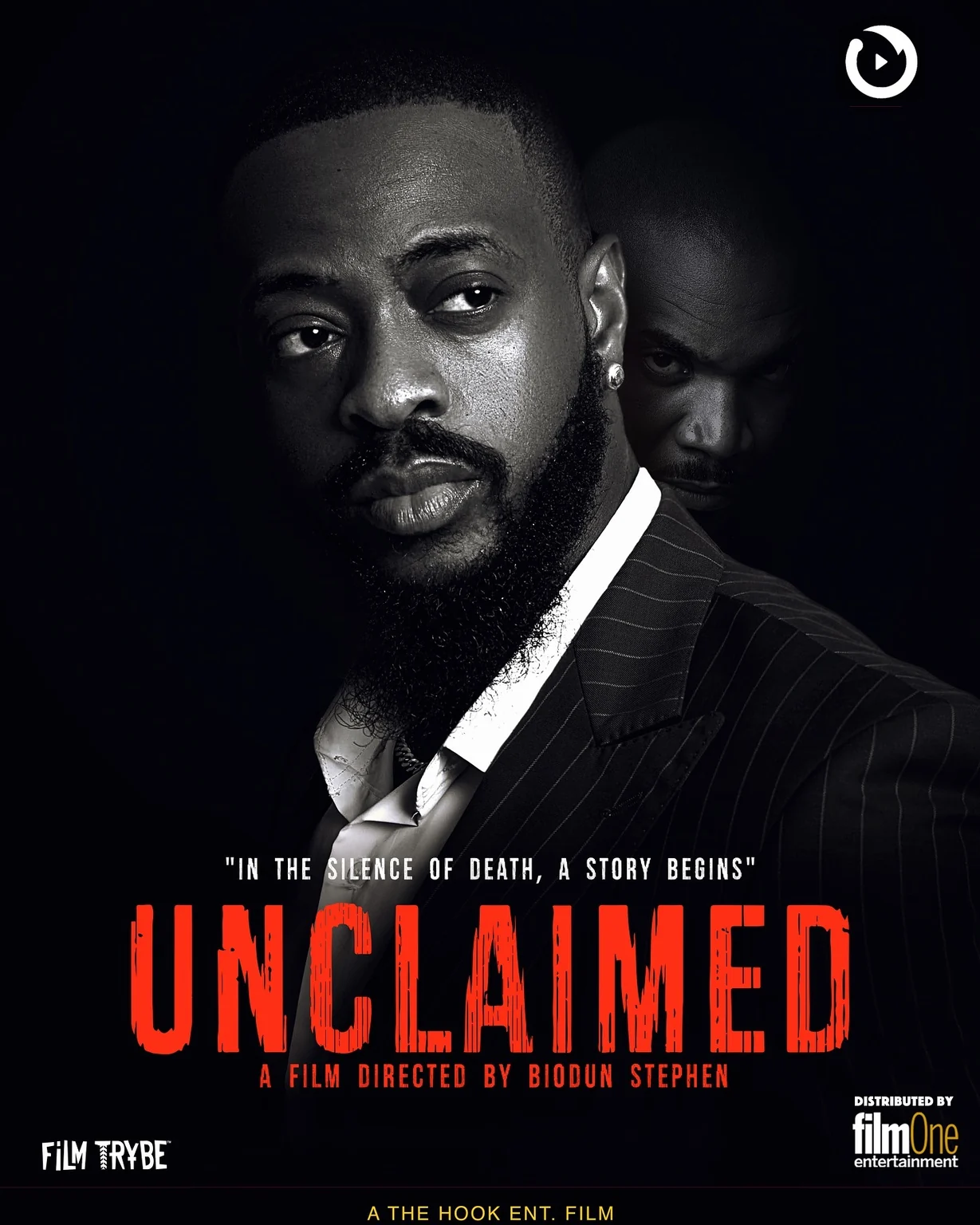
The official artwork, plus a SentimentalistThinker edition. Tap any image to view it in full.

A glimpse into the story

Official Trailer 🎬

Watch the official trailer for Unclaimed.

Watch on YouTube ↗

Video hosted by YouTube. It loads only when you press play.

Before you go

Did this story stay with you?

Like the review, then leave your own verdict below. 🥀

Official TrailerA glimpse into the story Behind the SilenceThe official posters Where to WatchStreaming on EbonyLife ON+ ↗ Your Verdict?You've read my thoughts. What are yours?
SentimentalistThinker

More stories are coming.

The next scene might already be on your feed. Movies are more than entertainment. Sometimes, they make us feel, think, and see life differently.

About SentimentalistThinker

SentimentalistThinker is an independent film-discovery and editorial project built around the moments in movies that stay with us. Each featured film is explored through original commentary, reflection and questions designed to help viewers observe the story, think beyond the scene and feel the emotion.

The site does not host or distribute the featured films. Where a viewing link is provided, it points visitors toward a legitimate viewing platform or its official search or title page, subject to regional availability.

SentimentalistThinker ✨ · WhatsApp Channel

The Conversation Continues. 🥀

Some stories stay with us long after the credits roll. Join the SentimentalistThinker WhatsApp Channel for film recommendations, memorable moments, and reflections worth sharing. 🎬✨

Follow Our WhatsApp Channel ↗
SentimentalistThinker WhatsApp Channel QR code