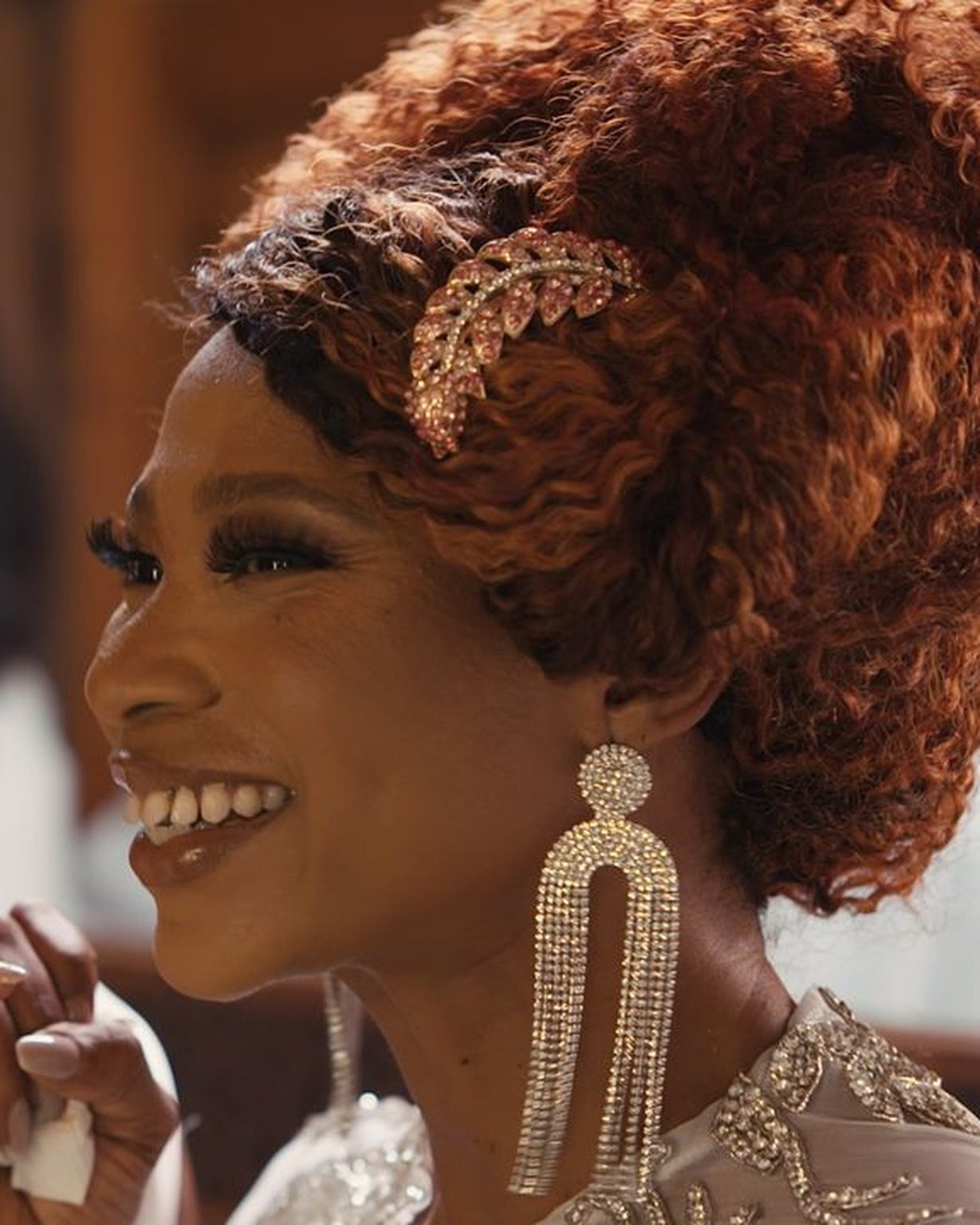
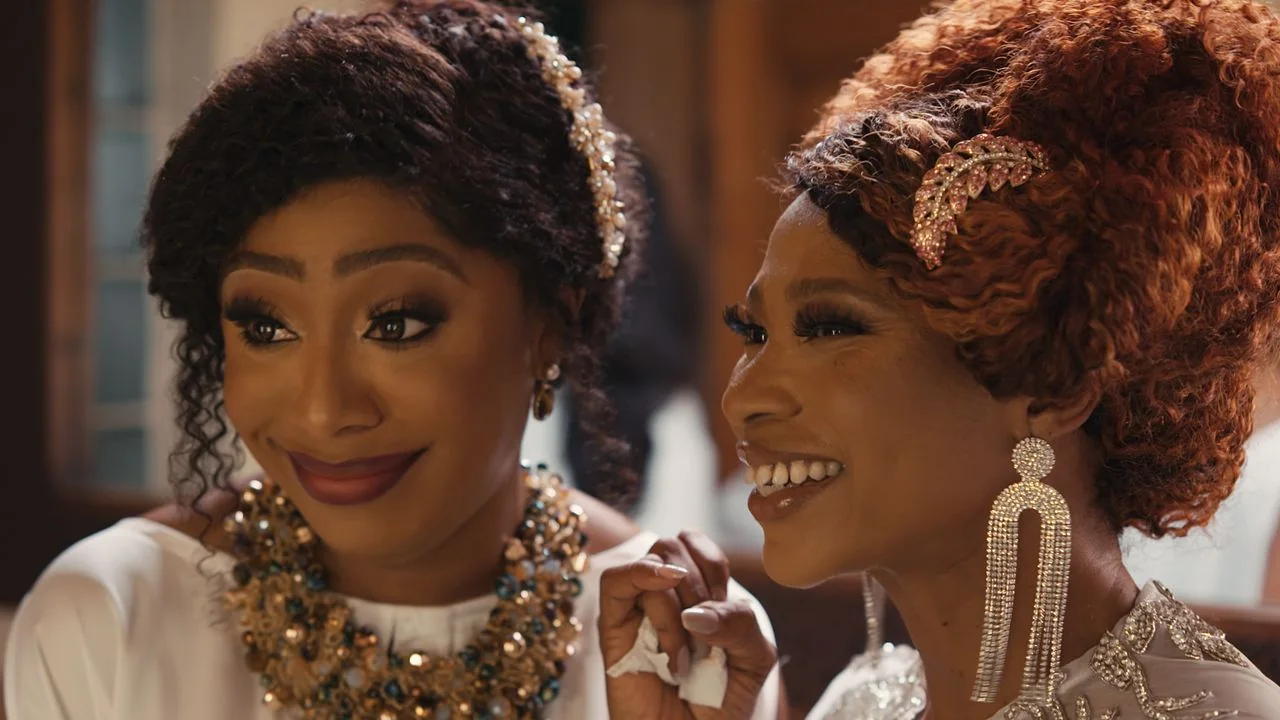
2023Romantic Drama96 minNigeriaDir. Walter Taylaur
On the surface, A Sunday Affair is a love triangle. Beneath it lies a harder question: What do we owe the people we love most when the truth could break them?
A love triangle that feels less like a scandal and more like real life.
Official viewing option · availability varies by country · ★ 5 · My rating
Before you begin
Listen to the welcomeNarrated by Zara Okeke
Welcome to SentimentalistThinker.
I'm Zara Okeke, the voice guiding you through SentimentalistThinker's reflections.
Today, we explore A Sunday Affair, a story of love, friendship, difficult choices, and the emotions that remain long after the final scene.
What you're about to hear is SentimentalistThinker's independent, personal interpretation of the film, reflecting its own thoughts, opinions, and perspectives. This commentary is not affiliated with or endorsed by the film's producers, cast, or distributors.
Now, let's step into the story. 🥀
10 parts · About 44 minutes · Hidden endings are skipped until revealed
Narration uses an AI voice · Music: Emotional Piano by atlasaudio (Pixabay)
The story · Spoiler-free
The Story Beneath the Romance
Listen to this sectionNarrated by Zara Okeke
Uche and Toyin have been best friends for most of their lives. They've shared secrets, heartbreaks, and the quiet hope that love would one day find them.
Then it does. In the same man.
Sunday is charming, attentive, and not entirely free. Each woman meets him on her own terms, and each believes she has finally found something real. Neither knows the other is falling for him too.
On the surface, A Sunday Affair is a love triangle. Beneath it lies a harder question: What do we owe the people we love most when the truth could break them?
The film moves between laughter and longing, between dinner tables filled with smiles and conversations weighed down by things left unsaid.
It's a story about friendship tested by desire, the complicated nature of timing, and how the same truth can become someone's happiness and another person's heartbreak.
Because sometimes, what changes everything isn't the truth itself, but when and how it finally comes to light. 🥀
✦ Spoilers ahead: the sections below discuss key plot points. The ending stays hidden behind “The Ending — Reveal to Read” wherever it appears.
Some people spend their lives waiting for happiness. Others finally find it, only to discover how little time they have left to enjoy it.
Toyin is the calmer, more composed half of her lifelong friendship with Uche. Beautiful, thoughtful, and seemingly content with her independence, she is a woman who knows what she wants, or at least believes she does.
Having grown tired of romantic disappointments, she has decided to pursue motherhood through intrauterine insemination (IUI), without waiting for a man to complete that dream.
But an unexpected encounter with Sunday on a train begins to challenge the emotional boundaries she has carefully built.
01 · The MomentWhen She Let Someone In
What makes Toyin's connection with Sunday memorable isn't simply their attraction. It's how naturally he begins to break through her guarded personality.
Their conversations are playful, their chemistry feels effortless, and their facial expressions often communicate what neither is ready to say aloud.
Perhaps one of the most revealing moments comes when Toyin takes Sunday to her favourite quiet spot, a place she retreats to whenever life becomes overwhelming.
"This is my spot."
Four simple words, but they reveal something significant.
For a woman who has become accustomed to handling life on her own, sharing such a personal space is an act of emotional trust.
She isn't merely showing Sunday a beautiful location. She's allowing him into a part of her life that she usually keeps to herself.
And sometimes, emotional intimacy begins long before anyone says, "I love you."
02 · The MaskThe Calm Woman Who Had Everything Under Control
Toyin presents herself as sensible, independent, and finished with the complications of romantic relationships.
Unlike Uche, whose approach to love is more adventurous and spontaneous, Toyin appears to value emotional security, consistency, and long-term commitment.
But beneath her composed exterior is a woman who still longs to be loved.
Her decision to pursue motherhood independently demonstrates determination, yet her growing attachment to Sunday reveals that she hasn't entirely abandoned the possibility of sharing her life with someone.
Her cancer diagnosis exposes an even deeper vulnerability. For a woman who had only just allowed herself to hope, the illness threatens to take away the very future she had finally begun to believe in.
When Sunday tells her that he watched his own mother die of cancer, her reply is quiet and chilling: "You won't have to watch me."
When she later discovers that she's pregnant, the child represents a future she has desperately wanted.
Her decision to discontinue cancer treatment during pregnancy reflects the intensity of that hope, but it is also one of the film's most difficult and troubling choices.
Toyin's strength doesn't come from being fearless. It comes from how desperately she tries to hold on to hope despite everything she fears losing.
The Ending — Reveal to Read
Listen to the endingNarrated by Zara Okeke
03 · The TruthShe Knew More Than We Thought
For much of the story, Toyin appears to be the innocent party in a complicated love triangle.
She trusts Sunday, believes in her friendship with Uche, and imagines that she has finally found the happiness that once seemed beyond her reach.
Toyin doesn't survive the birth of her baby girl. She leaves behind a child, a lifelong friendship, and a letter that changes our understanding of everything.
In it, Toyin reveals that she had seen Sunday and Uche together at the gallery. She knew about their relationship, yet chose not to confront them.
That revelation makes her character far more complicated than simply being the trusting woman who was deceived.
She understood that the two people she loved most had feelings for one another. Instead of exposing them, she chose to hold on to the happiness she had found, even if only for a little while.
Her letter expresses not bitterness, but a wish that Uche and Sunday should continue their lives together and care for her daughter.
It's an extraordinary act of forgiveness, although one that invites difficult questions about self-sacrifice and emotional pain.
And then there's Sunday, the man who once called her "the marrying type". Recognizing someone as suitable for marriage isn't necessarily the same as being prepared to love them with the honesty and devotion they deserve.
The tragedy is that Toyin offered him a level of emotional trust and forgiveness that he had not always shown himself capable of returning.
04 · The PerformanceWhen Silence Speaks Louder
Dakore Egbuson-Akande brings emotional warmth and restraint to Toyin, making her transformation particularly affecting.
In the earlier scenes, Toyin's guarded expressions and playful exchanges with Sunday establish a woman who isn't easily impressed.
Yet as their relationship develops, her smiles, eye contact, and moments of hesitation suggest someone gradually rediscovering the excitement of emotional intimacy.
The chemistry between Toyin and Sunday is especially convincing in the quieter moments, where laughter gives way to vulnerability without either character needing an elaborate declaration.
Later, as Toyin confronts illness and the possibility of losing the future she imagined, the performance takes on a different emotional weight.
Her vulnerability becomes harder to conceal, yet flashes of her familiar warmth remain.
That contrast makes her final moments especially heartbreaking.
The Reflection 🥀
I find Toyin one of the film's most sympathetic characters, not because she was perfect, but because she remained capable of love even when life gave her reasons to become bitter.
She deserved more time. More happiness. More opportunities to experience the motherhood and companionship she had waited so long to enjoy.
Yet her story leaves us with an uncomfortable question.
Was Toyin's silence the ultimate expression of unconditional love, or had she become so accustomed to sacrificing her own happiness that she could no longer demand the honesty she deserved?
Perhaps that is what makes her story so painful.
She finally found something worth holding on to, even while knowing it was never entirely hers.
Some people leave us with memories. Toyin left behind a reminder that love, forgiveness, and sacrifice are not always as simple as they appear. 💔
Tap to view in full
Chapter II · 7 min readContains spoilers
Uche
Portrayed by Nse Ikpe-Etim
The Heart Behind the Wildness ❤️🔥
Listen to Uche's chapterNarrated by Zara Okeke
She knew how to stand up for herself. What she struggled with was standing against her own feelings.
Uche, portrayed by Nse Ikpe-Etim, is the bolder, more adventurous half of her lifelong friendship with Toyin.
Confident, outspoken, and seemingly unbothered by society's expectations, she is a woman who prefers living on her own terms.
Where Toyin seeks stability and emotional security, Uche appears comfortable with relationships that offer excitement without the expectations of lasting commitment.
She even says it plainly: "I like my men married. Much less hassle." Perhaps such relationships allow her to enjoy intimacy without the responsibilities of a conventional partnership.
Yet behind this carefree approach to love is a woman whose loyalty to Toyin remains one of the most important parts of her life.
And then Sunday enters the picture.
What begins as another exciting encounter becomes something Uche hadn't quite prepared herself for: a connection that challenges the emotional distance she has always maintained.
For the first time, perhaps, the woman who believed she could control the terms of her relationships discovers that feelings don't always follow the rules we set for them.
01 · The MomentWhen Happiness Became a Secret
One of Uche's most defining moments takes place at her gallery.
After Sunday assures her that he loves her and wants to be with her, she finally finds the courage to end her arrangement with Sam, the wealthy investor who has been supporting her financially.
For a moment, it feels like liberation.
She is choosing a relationship she genuinely wants over one in which financial support has become entangled with control and humiliation.
But her happiness is short-lived.
Before she can share the news with Toyin, her best friend reveals that she has stage 3 cervical cancer.
And then comes another revelation.
Toyin is in love with Sunday.
The same Sunday who has just assured Uche that he wants to be with her.
Suddenly, the news she was so eager to share becomes something she cannot bring herself to say.
Two women had something important to reveal, but the order of their confessions changed everything.
Uche's reaction captures the painful collision between romantic happiness and friendship.
How do you celebrate finding love when that same love could break the heart of someone you have cared about for most of your life?
And how do you tell someone who is already fighting for her life that the man she believes will stand beside her has also promised himself to you?
Uche's silence becomes understandable, but understanding it doesn't make the situation any less complicated.
02 · The MaskThe Woman Who Needed No One's Approval
Uche presents herself as a woman who knows what she wants and refuses to apologize for pursuing it.
She's comfortable speaking her mind, challenging expectations, and resisting the pressure to settle into a conventional marriage.
Even her mother's repeated prayers for her to find a husband seem to have little influence over how she chooses to live.
But beneath that confidence lies a more complicated emotional reality.
Her relationship with Sam reveals how independence can become compromised when financial security depends heavily on someone else's approval.
Sam's willingness to fund her lifestyle and gallery comes with an expectation of control.
At a gallery event, his treatment of her exposes the humiliation she has endured within that arrangement. Later, when she attempts to end their involvement, his anger reveals how strongly he believes his money gives him power over her.
His behaviour is abusive and cannot be justified by the choices Uche made.
Yet these experiences help us understand why Sunday's attention feels different to her.
Perhaps what draws Uche closer to Sunday is the possibility of being loved without the financial expectations that have complicated her relationship with Sam. For once, affection seems to offer something that money cannot guarantee.
For someone accustomed to keeping emotional distance, the prospect of being wanted for herself carries an unexpected appeal.
Perhaps Uche's greatest contradiction is that she appears unafraid of relationships, yet genuine emotional attachment leaves her less in control than casual romance ever did.
03 · The TruthWhen Love and Loyalty Became Opposing Forces
Uche's feelings for Sunday are difficult to dismiss as purely physical attraction.
She ends her involvement with Sam believing she has found something meaningful.
And when she discovers that Sunday is also involved with Toyin, her anger reveals just how seriously she has taken their connection.
She feels betrayed, but she is also painfully aware that her best friend has been placed in an equally vulnerable position.
The diagnosis changes the stakes.
Uche cannot ignore Toyin's suffering. Her concern becomes particularly evident when Toyin announces her pregnancy and her intention to discontinue cancer treatment.
Her expressions suggest fear, disbelief, and the burden of a secret she still cannot reveal.
Yet Uche's love for her friend doesn't completely overcome her attraction to Sunday.
Despite knowing how deeply Toyin loves him, she struggles to separate herself from him emotionally and physically.
That is where her character becomes most difficult to defend.
Her feelings may be genuine, but genuine feelings do not automatically justify the choices we make because of them.
The Ending — Reveal to Read
Listen to the endingNarrated by Zara Okeke
A Forgiveness She Never Expected
Still, the situation raises questions that the film doesn't completely resolve.
Would Uche have continued her relationship with Sunday if Toyin had survived?
Would her love for Sunday have been stronger than her loyalty to Toyin?
Or would the guilt eventually have forced her to walk away?
Toyin's final letter reveals something Uche couldn't have anticipated.
Her best friend had known about the relationship.
She had seen Uche and Sunday together at the gallery, yet had chosen not to confront them.
Instead of expressing bitterness, Toyin asks them to continue their lives together and care for her daughter.
It is a remarkable expression of forgiveness, but it also places Uche in an emotionally complicated position.
The woman she feared betraying has given her permission to pursue the very happiness that caused her so much guilt.
But does forgiveness automatically erase the weight of what happened?
And what if Toyin had died without leaving that letter?
Would Uche and Sunday have been able to build a life together without constantly questioning whether their happiness came at the expense of someone they loved?
Even with Toyin's blessing, their relationship carries a history that others might struggle to understand or accept.
Perhaps the real question isn't whether Uche deserves happiness.
It's whether she can accept that happiness without allowing guilt to define the rest of her life.
04 · The PerformanceWhen Confidence Gives Way to Conflict
Nse Ikpe-Etim gives Uche a bold, expressive personality that contrasts beautifully with Dakore Egbuson-Akande's more restrained portrayal of Toyin.
In the earlier scenes, Uche's confidence is reflected in her playful delivery, direct eye contact, and unapologetic flirtation.
She appears comfortable taking control of conversations and expressing what she wants.
But as the story becomes more emotionally complicated, that certainty begins to disappear.
Her confrontation with Sam reveals both defiance and vulnerability. The woman who normally speaks without hesitation is forced to confront the consequences of depending on someone who believes he owns her.
The gallery revelation offers an entirely different emotional challenge.
When Toyin reveals her illness and her feelings for Sunday, Uche's expressions carry the emotional weight of what she cannot say.
Her reaction to Toyin's pregnancy is equally revealing.
The contrast between her friend's happiness and her own visible concern makes the moment especially uncomfortable.
These quieter scenes are where the performance becomes particularly interesting.
Uche doesn't need to explain her guilt for the audience to recognize that she's struggling with it.
And perhaps that is one of the strongest aspects of Nse Ikpe-Etim's portrayal: the woman who spends much of the film confidently expressing herself becomes most compelling when she cannot find the words.
The Reflection 🥀
I find Uche fascinating because she challenges the idea that a person's romantic choices tell us everything about their capacity to love.
She may be adventurous, outspoken, and unconventional in her relationships, but that doesn't make her incapable of genuine friendship, compassion, or emotional commitment.
Her love for Toyin is evident in the concern she shows during her illness, even as her involvement with Sunday creates a painful contradiction.
I sympathize with Uche, particularly because her relationship with Sam reveals a woman whose confidence has not always protected her from humiliation and emotional vulnerability.
But I also believe she bears responsibility for the choices she makes with Sunday.
We can recognize her humanity without excusing the hurt those choices could cause.
What troubles me most is the uncertainty surrounding what might have happened if the truth had come out sooner.
Would Uche have found the courage to confess, or would she have continued sacrificing honesty to preserve the appearance of friendship?
Perhaps we'll never know.
But one thing is clear: beneath Uche's bold personality is a woman who feels deeply, loves imperfectly, and discovers that emotional freedom becomes complicated when our choices affect the people we hold closest.
Was Uche a woman who followed her heart at the expense of loyalty, or someone who discovered too late that love without honesty can leave everyone wounded?
Maybe she was both.
Because sometimes, the strongest-looking people are not those who feel the least, but those who have learned to hide how much they feel. 🥀
Toyin and Uche
Two Sides of One Truth
Same man. Same silence. Different reasons.
Listen to this sectionNarrated by Zara Okeke
What she wanted
ToyinA husband, a child, and a life she had begun to believe would never come.
UcheTo be wanted for herself, not bought, not kept, but loved.
What she hid
ToyinHer diagnosis, until she could no longer carry it alone.
UcheHer secret man, sitting across the dinner table while she called it “over months ago.”
The news she carried
Toyin“I love him. He's the real deal.”
UcheThe very same name, never spoken.
The Ending — Reveal to Read
Listen to the endingNarrated by Zara Okeke
Why she stayed silent
ToyinShe knew the truth, and chose to say nothing.
UcheShe feared what the truth would do, and couldn't say it.
Toyin remained silent despite knowing the truth. Uche remained silent because she feared what the truth would do.
They both loved, both struggled, and both made difficult decisions, but their reasons for remaining silent were very different.
Tap to view in full
A character we need to talk about · 10 min readContains spoilers
Sunday
Portrayed by Oris Erhuero
The Man Torn Between Desire and Devotion ❤️🔥
Listen to Sunday's chapterNarrated by Zara Okeke
He had a way of making women feel special. The trouble was, he made two best friends feel that way at the same time.
Sunday, portrayed by Oris Erhuero, is charming, calm, playful, and seemingly easy to get along with. He possesses the kind of effortless charisma that can make someone feel comfortable around him before they've even realized they're becoming emotionally attached.
There's something about his smile, particularly the warmth in his eyes, that makes his flirtation feel natural rather than forced.
And perhaps that's part of what draws both Toyin and Uche toward him.
Even his name carries a quiet duality. To most, he's Sunday. To Uche, he's Akin.
Yet beneath his charming personality is a man whose understanding of love, commitment, and responsibility becomes increasingly difficult to comprehend.
Sunday is still married, although he is going through a divorce. The film doesn't fully explore what caused his marriage to deteriorate, but his romantic involvement with two best friends raises uncomfortable questions about his readiness for another committed relationship.
He seems attracted to excitement and spontaneity, particularly the adventurous energy he finds in Uche.
But with Toyin, he discovers something different: warmth, companionship, playful chemistry, and the possibility of emotional stability.
And somewhere between those two relationships, Sunday becomes a man who appears to want the comfort of commitment without always accepting the difficult decisions that come with it.
01 · The MomentTwo Women, One Confession
One of Sunday's most revealing moments occurs during a late-night conversation with his half-brother, Femi.
Unable to sleep, Sunday admits that he's experiencing feelings unlike anything he's felt before.
He believes he's fallen in love with two women.
But when Femi presses him further, Sunday admits that one of them occupies his thoughts more intensely than the other.
That confession changes how we understand his relationships.
Until that moment, I found myself believing that Toyin might be the woman Sunday loved more deeply.
Their chemistry seemed so natural.
From their playful encounter on the train to their dinner conversations, the elevator, the hotel corridor, and the evening they shared oysters, their interactions carried an undeniable romantic spark.
Sometimes, their expressions communicated more than their conversations.
The glances, the smiles, the teasing, and the brief moments of silence created the impression of two people discovering an unexpected connection.
Their walk along Toyin's favourite beach was especially memorable because their attraction began to feel more emotionally intimate.
Yet Sunday's confession challenges that impression.
His feelings for Uche are apparently stronger.
Perhaps the clues were there from the beginning, particularly during their first encounter at the wedding, when their flirtation quickly developed into physical intimacy.
But physical attraction isn't necessarily proof of deeper love.
And that is what makes Sunday's emotional dilemma so interesting.
If his chemistry with Toyin seemed so convincing, why did his heart appear to lean toward Uche?
Was Toyin offering the stability he appreciated, while Uche represented the excitement he couldn't resist?
Or were his feelings simply more complicated than either explanation?
02 · The MaskThe Charming Man Who Preferred Peace
Sunday appears to be someone who enjoys life without unnecessary complications.
He is relaxed, humorous, affectionate, and often capable of making uncomfortable situations feel lighter through conversation.
But as his relationships develop, that easygoing personality begins to reveal another side.
Sunday struggles with confrontation.
When Femi repeatedly warns him about the consequences of becoming involved with two best friends, Sunday seems reluctant to face the seriousness of the situation.
He knows that continuing both relationships could hurt the women involved.
Yet ending either relationship proves equally difficult.
Rather than confronting the situation immediately, Sunday initially distances himself from Toyin, leaving her confused and hurt. Although he eventually acknowledges the breakup when she confronts him, his reluctance to address it earlier reveals how uncomfortable he is with difficult emotional conversations.
And that reveals an important contradiction.
Sunday seems to value peace, but sometimes mistakes avoiding conflict for creating it.
There's a difference between being a peaceful person and being unwilling to have difficult conversations.
The first requires emotional maturity. The second can unintentionally make situations worse.
Perhaps Sunday doesn't want to hurt anyone.
But wanting to avoid hurting someone doesn't mean our actions won't hurt them.
His silence may protect him from an uncomfortable moment, but it transfers that discomfort to the people waiting for answers.
And the longer he delays, the more complicated the truth becomes.
03 · The TruthKindness Without Honesty
I don't see Sunday as a completely heartless man.
His care for Toyin shows most clearly on the night she disappears from the club.
While Uche fears the worst, Sunday steadies her: "Nothing will happen to her." In the same conversation where he tells Uche, "Yes, I am in love with you," he insists, "My job is to make sure Toyin is okay, and I'm going to find her."
And he knows exactly where to look.
He finds her by the sea, at the quiet place she once shared with him as her refuge. "I remember. This is your place."
For a man who had distanced himself from her, he had held on to the one detail that mattered most: where Toyin goes when her world becomes too heavy to carry.
That night, he finds her in distress, learns of her cancer diagnosis, and promises to stand beside her through her illness.
That moment reveals a compassionate side of him.
For someone who has struggled with commitment and confrontation, promising to remain beside a person facing a life-threatening illness is significant.
It suggests that Sunday is capable of accepting responsibility when circumstances demand something more serious than romantic excitement.
But his compassion also introduces another difficult question.
Is he staying because he genuinely wants to build a future with Toyin, or because he cannot bring himself to abandon someone who desperately needs him?
The distinction matters.
There may also be a deeper reason. Sunday tells Toyin that his own mother died of cancer when he was ten. "She just gave up. I watched her die." His insistence that Toyin keep fighting may come from love, but it may also come from a boy who once watched someone he loved slip away and could do nothing to stop it.
Before Toyin's diagnosis, Sunday has already acknowledged that his feelings are stronger for Uche.
Yet when Toyin becomes seriously ill, his presence offers her the emotional security she has been longing for.
His decision to remain beside her is compassionate, but compassion and romantic commitment are not necessarily the same thing.
And when he continues struggling with his attraction to Uche, the contradiction becomes even more troubling.
Sunday's actions suggest a man who wants to do the right thing but cannot consistently separate what feels good from what is fair.
Perhaps he believes that remaining available to both women is somehow kinder than choosing one.
But in reality, refusing to make a decision can itself become a decision with consequences.
His behaviour with Uche also reveals a pattern.
Their initial encounter at the wedding, their subsequent intimate moments, and their continued attraction despite the growing complications suggest that Sunday finds it difficult to resist what excites him.
That doesn't necessarily mean he is incapable of commitment.
But it raises questions about whether he is emotionally prepared to sustain the honesty and consistency a committed relationship requires.
Sunday's problem may not be that he doesn't understand love. Perhaps he struggles to understand that loving someone also means accepting responsibility for how our choices affect them.
The Ending — Reveal to Read
Listen to the endingNarrated by Zara Okeke
Toyin's death changes Sunday's circumstances permanently.
He is left with a newborn daughter and the responsibility of helping raise her alongside Uche.
Toyin's final letter reveals that she knew about their relationship and wanted them to find happiness together.
Her forgiveness offers Sunday and Uche an opportunity to build the life they might otherwise have felt too guilty to pursue.
But I don't think that forgiveness automatically erases Sunday's earlier choices.
He still has to live with the knowledge that Toyin trusted him deeply, even while knowing his feelings were divided.
And that raises another question.
Would Sunday have continued his relationship with Toyin if she had survived?
Would he eventually have chosen Uche openly?
Or would he have continued struggling to confront a situation that required an honest decision?
Perhaps we'll never know.
Sunday is already a father, with a daughter whose life is being reshaped by his divorce and her mother's decision to return to America. The arrival of Toyin's baby gives him another responsibility, raising questions about whether he is ready to offer the consistency and emotional presence that fatherhood requires.
Because unlike romantic attraction, raising a child demands consistency, patience, sacrifice, and the willingness to remain present even when circumstances become difficult.
Toyin's final letter may have given Sunday forgiveness, but his future actions would determine whether he truly understood its value.
04 · The PerformanceWhen Charm Meets Hesitation
Oris Erhuero gives Sunday a relaxed charm that makes it easier to understand why two very different women would become attracted to him.
His smile, playful expressions, and conversational ease create a character who appears comfortable with romantic attention.
In his scenes with Toyin, that charm feels particularly natural.
Their chemistry is built through teasing, smiles, lingering glances, and moments when both seem genuinely entertained by each other's company.
The train encounter establishes Sunday's confidence and persistence, while their later conversations reveal a softer and more affectionate side.
With Uche, the performance carries a different energy.
Their interactions are more openly flirtatious and physically charged, suggesting an attraction that develops through excitement and spontaneity.
That contrast is one of the more interesting aspects of the film.
Sunday appears capable of forming two different kinds of romantic connections, each revealing a different side of his personality.
Yet the performance becomes more revealing when he is required to make a difficult choice.
His conversation with Femi exposes a man who can confidently pursue affection but struggles to explain what he truly wants.
The hesitation surrounding his confession contrasts with the ease of his earlier flirtation.
And when Toyin reveals her diagnosis, the playful charm gives way to concern and emotional responsibility.
These moments create a more complicated portrait of Sunday.
The same man who seems to know exactly how to make someone fall for him appears far less certain about what to do once those feelings become real.
The Reflection 🥀
Sunday is one of those characters I find difficult to either completely condemn or fully defend.
I appreciate his warmth, humour, and willingness to stand beside Toyin during her illness.
His affection doesn't always appear insincere, and his concern for the people around him suggests that he is capable of genuine compassion.
But I also struggle with his indecision.
He appears to enjoy the emotional stability he finds with Toyin and the excitement he experiences with Uche, without fully confronting the consequences of pursuing both.
I can even relate to his discomfort with confrontation.
Sometimes, difficult conversations feel easier to postpone than to face.
But Sunday's story reminds us that avoiding an uncomfortable truth doesn't make it disappear.
It simply allows the consequences to grow.
And perhaps that is what makes his character so frustrating.
He doesn't necessarily set out to destroy a friendship.
He may genuinely care for both women.
But caring for someone and treating them fairly are not always the same thing.
I also wonder whether Sunday's divorce should have been a moment for him to understand himself before entering another serious relationship.
Perhaps he needed time to establish what he wanted, rather than becoming involved with two women whose friendship was already deeply established.
Still, I hesitate to label him entirely selfish.
His decision to support Toyin during her illness suggests there is more to him than the charming, commitment-avoiding man we initially encounter.
But one question remains.
Was Sunday a man genuinely torn between two kinds of love, or a man who wanted the happiness both women offered without accepting the responsibility of choosing?
Maybe he was both.
Because sometimes, the people who dislike conflict the most are the very ones who create it by refusing to confront the truth.
And Sunday, for all his charm, may have been one of them. 🥀
A brother, a sister, a mother and an investor
The People Around Them
Listen to this sectionNarrated by Zara Okeke
FemiAlexx EkuboSunday's half-brother and the voice of caution. He recognizes the danger of Sunday's romantic involvement with two best friends, although his judgment of Uche is influenced by her reputation.Stay away from Uche. She's trouble.KelechiUzor OsimkpaUche's sister and Femi's bride. Her marriage connects the families, making the consequences of Sunday's choices extend beyond the central love triangle.If Kelechi finds out, I'm dead.Mrs. OkwaraHilda DokuboUche and Kelechi's mother. She celebrates one daughter's wedding with open joy, “Thank you, Lord!”, while praying for the other to find a husband. Her prayers reflect genuine maternal love alongside the expectations placed on unmarried women to find husbands and have children.SamChris IheuwaThe wealthy investor behind Uche's gallery. His behaviour reveals how financial generosity can become a means of control when someone begins to believe support entitles them to ownership.I bought you.
Two moments, as they unfold on screen
Scenes Worth Remembering
Two moments that explain why Toyin let Sunday in.
Scene one
From Strangers to Almost
It plays like a complete love story in miniature: suspicion, curiosity, laughter, trust and interruption, all in one journey.
Paused · tap to play
Scene two
One More, Then the Sea
The oysters show how easily they laugh together. The beach shows how much she is willing to let him in.
Paused · tap to play
The Ending — Reveal to Read
The oysters return at the very end. In her final letter, Toyin asks Sunday and Uche to teach her daughter “how to eat oysters.”
Clips are shown as they appear in the film, for commentary. They start silently when they scroll into view: tap “Sound off” to hear the scene, tap a clip to pause it, or tap a label to jump to that moment.
The secrets timeline
Who Knew What?
Every scene in this film is shaped as much by what the characters know as by what they say. Follow the secrets, and the story looks very different.
ToyinUcheSunday
The lights follow one secret only: that Sunday is involved with both women. The illness, the pregnancy and his marriage are told in each stop.
01The Wedding
Sunday, introducing himself as Akin, meets Uche at Femi and Kelechi's wedding. By the end of the night, they have been together.
Who knew: Sunday and Uche. Toyin is later told it was nothing, just “wedding buddies.”
02The Train
“I don't even know you, but I know your type.”
Who knew: Sunday, that he had already been with her best friend. Toyin didn't.
03Room 306
A breath away from a kiss, his wife calls.
Who knew: Toyin already knows Sunday is going through a divorce. The phone call reminds her that his marriage is still part of his life. Uche knows nothing about Toyin's developing connection with him.
04The Beach
“I lied to Uche today… I know with you and her, it was just a one-off, but still, there's a girl code.”
Who knew: Toyin knows about Sunday's earlier encounter with Uche and believes it was a one-off. Sunday knows he is becoming involved with both women. Uche remains unaware of Toyin's relationship with him.
05The Family Dinner
“Stay away from Uche. She's trouble.”
Who knew: Femi sees the danger. Minutes later, Sunday drives off with Uche.
06The Sleepless Night
“I'm in love with both of them.”
Who knew: Sunday and Femi know about his feelings for both women. Neither knows all the revelations still to come, and the two women still know nothing of each other.
07The Club
“The reason we broke up was because I was seeing someone else… Yes, I am in love with you.”
Who knew: Uche learns there was another woman, but not who.
08The Pier
He finds Toyin at her place by the sea. She has stage 3 cervical cancer.
Who knew: Sunday learns about the diagnosis. Uche doesn't, yet.
09The Gallery
“I love him. He's the real deal.”
Who knew: Uche now knows everything. Toyin believes Uche's night with Sunday “wasn't anything.”
10The Pregnancy Dinner
“You are the most important people in this world to me.”
Who knew: Sunday and Uche share the secret. Toyin appears to be the only one in the dark.
She wasn't. She already knew.
The Ending — Reveal to Read
11The Letter
“I saw you that day in the gallery. But I didn't say anything.”
Who knew: Toyin, all along. The woman everyone was protecting from the truth was the one protecting them.
Think beyond the scene
Beyond the Credits
What the film leaves us thinking about long after it ends.
Listen to this sectionNarrated by Zara Okeke
A Sunday Affair is a love story, but the questions it raises are not confined to the screen.
Many of us have lived some version of them: in friendships, in families, in hospital corridors, and in conversations we kept putting off.
Some stories entertain us. Others leave us questioning things we thought we understood.
01When Friendship Meets Attraction
"There's a girl code."
Toyin says it on the beach, even as her growing feelings for Sunday begin to complicate what that code means.
Most of us believe there are lines we would never cross for love. Yet attraction rarely asks permission, and sometimes it develops within the very circles where loyalty matters most.
The film doesn't present these situations as entirely simple.
Toyin believes Sunday's encounter with Uche was a one-off. Uche doesn't initially know that Toyin is developing feelings for him. Both women genuinely value their friendship, yet neither fully understands the relationship unfolding around her.
And perhaps that's what makes the situation so uncomfortable.
Sometimes, we don't deliberately choose between love and friendship. We find ourselves making smaller decisions until the two begin to collide.
If you developed feelings for someone romantically connected to your closest friend, would you tell your friend immediately, or wait until you understood your own feelings?
02The Cost of Silence
Much of the emotional tension in A Sunday Affair grows out of things left unsaid.
Sunday avoids difficult conversations. Uche swallows the news she was so eager to share at the gallery. Toyin keeps her diagnosis to herself until she finally reveals what she's facing.
Each silence comes from a different place.
For some, silence offers temporary protection from confrontation. For others, it becomes a way of holding on to something they fear losing.
And sometimes, we remain quiet simply because we don't know how to begin.
But the longer a difficult truth remains unspoken, the more complicated its consequences can become.
Perhaps silence isn't always dishonesty. Sometimes, it's fear, uncertainty, or an attempt to protect someone we love.
The difficult part is knowing when that protection begins to cause more harm than the truth itself.
Is silence ever the kinder choice, or does it simply delay the hurt?
03Loving Someone Is Not the Same as Choosing Them
Sunday may genuinely care for both women.
That is exactly what makes his character so difficult to understand.
His feelings for Toyin appear warm, playful, and emotionally intimate. With Uche, the attraction carries a different energy, one he seems equally unable to resist.
But the film raises an uncomfortable distinction.
Feeling love and taking responsibility for love are not necessarily the same thing.
In real relationships, affection without clarity can feel meaningful to the person expressing it, but deeply uncertain to the person waiting for a decision.
Sometimes, choosing someone means accepting that we cannot continue offering the same romantic promises to someone else.
And sometimes, the hardest part isn't deciding who we love more, but being honest about what we're willing and able to give.
Sunday's dilemma reminds us that avoiding a choice doesn't always prevent heartbreak.
It can simply leave someone else waiting for an answer.
Can we genuinely love two people at once, or does meaningful commitment eventually require us to make a choice?
04Hope, Illness and Difficult Decisions
Toyin's cancer diagnosis introduces an entirely different kind of emotional conflict.
Just when motherhood begins to feel possible, she is confronted with a serious illness that threatens the future she has spent so long imagining.
Her pregnancy gives her hope, but her decision to discontinue treatment also leaves those who love her frightened.
The film invites us to understand her desperation to protect a child she has wanted for so long.
But real-life decisions involving cancer and pregnancy are medically complex. They require individualized professional guidance, careful discussion of treatment options, and support that respects the patient's needs and choices.
Supporting someone doesn't necessarily mean agreeing with every decision they make.
Sometimes, support means listening without judgment, helping them understand their options, and remaining present through uncertainty.
And sometimes, the most meaningful words are the simplest:
"I'm here. I'm not going anywhere."
When someone we love faces a difficult decision about their health, what does genuine support look like?
The Ending — Reveal to Read
Listen to the endingNarrated by Zara Okeke
The film's final revelation changes how we understand the silence that shaped so much of the story.
Toyin knew.
She had seen Sunday and Uche together, yet chose not to confront them.
Her final letter suggests forgiveness, but perhaps her silence was also a way of preserving the happiness she had finally found, even while knowing it might not last.
That makes her decision both beautiful and heartbreaking.
She chose to leave behind love rather than resentment.
Yet her story also raises a difficult question about the emotional cost of always putting other people's happiness before our own.
When we remain silent to protect the people we love, are we protecting them, protecting ourselves, or sometimes doing a little of both?
Some films end when the credits roll. The best ones follow us home. 🥀
SentimentalistThinker · My Verdict
My Verdict 🥀
★★★★★5 / 5
A love triangle that feels less like a scandal and more like real life.
Listen to my verdictNarrated by Zara Okeke
What stayed with me most about A Sunday Affair wasn't the affair itself. It was the chemistry and the way the film allows its emotions to breathe. Laughter and longing, flirtation and fear, joy and guilt sit side by side, often in the very same scene, and the three leads make it all feel natural and alive.
It doesn't ask us to choose a villain. Instead, it gives us people whose feelings we can understand, even when their choices are difficult to defend.
The film isn't without its shortcomings. I wanted more insight into Sunday's marriage and what went wrong, and more time devoted to Toyin's decision about her treatment, a choice that deserved careful exploration beyond its impact on the romance. A few unresolved questions could also have received greater attention.
Still, none of that diminished what the film made me feel. Its greatest achievement isn't a perfect resolution. It's that its characters remain worth thinking about long after the story ends.
Watch it if
You enjoy layered stories about friendship, complicated romance, loyalty, and the choices we make when our hearts and responsibilities pull us in different directions.
The Ending — Reveal to Read
Listen to the endingNarrated by Zara Okeke
Toyin's final letter was the moment that confirmed my five stars. It turns a love triangle into a story about forgiveness and leaves Sunday and Uche with the responsibility of deciding what to do with the happiness she wanted them to have.
Closing Reflection
“Sometimes, the people we try hardest to protect from the truth are the ones quietly protecting us.” 🥀
Video hosted by YouTube. It loads only when you press play.
Reader discussion
Your Turn 🥀
Every reader leaves this film holding a different piece of the truth.
Listen to this sectionNarrated by Zara Okeke
The Question
If you were Uche, would you have told Toyin the moment you realised you were both in love with the same man, even knowing it could cost you the friendship?
Whose Side Are You On?
Tap a side to cast your vote.
The Ending — Reveal to Read
Listen to the endingNarrated by Zara Okeke
Toyin knew, and chose silence. Her final letter revealed that she had known all along.
But was her silence an act of forgiveness, a way of protecting the happiness she had finally found, or a little of both? 🥀
Rate the Film ⭐
Leave your review below and tell us where you stand.
Every perspective adds another layer to the story. 🎬🥀
The next scene might already be on your feed. Movies are more than entertainment. Sometimes, they make us feel, think, and see life differently.
About SentimentalistThinker
SentimentalistThinker is an independent film-discovery and editorial project built around the moments in movies that stay with us. Each featured film is explored through original commentary, reflection and questions designed to help viewers observe the story, think beyond the scene and feel the emotion.
The site does not host or distribute the featured films. Where a viewing link is provided, it points visitors toward a legitimate viewing platform or its official search or title page, subject to regional availability.
SentimentalistThinker ✨ · WhatsApp Channel
The Conversation Continues. 🥀
Some stories stay with us long after the credits roll. Join the SentimentalistThinker WhatsApp Channel for film recommendations, memorable moments, and reflections worth sharing. 🎬✨